
Tips to Elevate Group Basketball Coaching
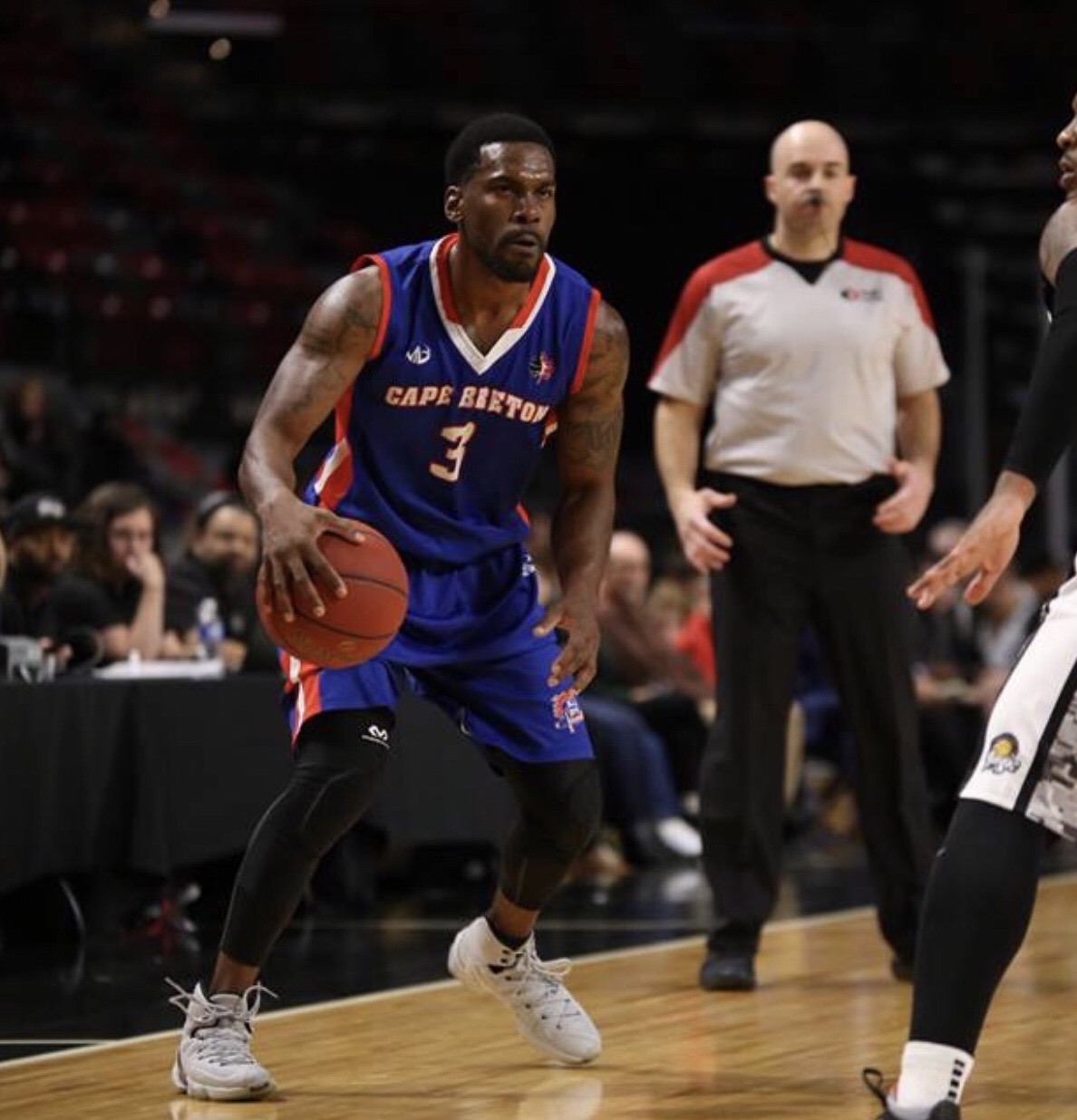
Group basketball coaching is a dynamic and rewarding challenge. It requires balancing individual skill development with team strategy and cohesion. Whether you are coaching a youth team, a recreational league, or a competitive squad, improving your approach can lead to better player performance and more enjoyable practices. This guide offers practical tips to help you elevate your group basketball coaching skills effectively.
Building a Strong Foundation in Group Basketball Coaching
Successful group basketball coaching starts with creating a solid foundation. This means establishing clear goals, fostering communication, and designing structured practices that engage all players.
Set Clear Objectives: Define what you want your team to achieve each season. These goals can be skill-based, such as improving shooting accuracy, or team-oriented, like enhancing defensive communication.
Create a Positive Environment: Encourage respect, teamwork, and effort. Positive reinforcement motivates players to push themselves and support their teammates.
Plan Structured Practices: Divide practice time into segments focusing on warm-ups, skill drills, team plays, and scrimmages. This keeps sessions organized and maximizes learning.
Use Varied Drills: Incorporate drills that address different skills such as dribbling, passing, shooting, and defense. Variety keeps players engaged and helps develop well-rounded athletes.
By focusing on these fundamentals, you set the stage for effective group coaching that benefits every player.

Effective Communication and Team Dynamics in Group Basketball Coaching
Communication is the backbone of any successful basketball team. As a coach, your ability to communicate clearly and foster open dialogue among players is crucial.
Use Simple, Clear Instructions: Avoid overcomplicating drills or strategies. Use concise language and demonstrate techniques when possible.
Encourage Player Feedback: Create opportunities for players to share their thoughts and ask questions. This builds trust and helps you understand their needs.
Promote Team Bonding: Organize team-building activities outside of practice to strengthen relationships. A united team performs better on the court.
Assign Roles and Responsibilities: Help players understand their roles within the team. This clarity reduces confusion and increases accountability.
Strong communication enhances teamwork and ensures that everyone is working toward the same goals.
How much money does a basketball coach get?
The salary of a basketball coach varies widely depending on factors such as experience, level of competition, and location. For example:
Youth and Recreational Coaches: Often volunteer or earn modest stipends, typically ranging from $20 to $50 per hour.
High School Coaches: Salaries can range from $30,000 to $60,000 annually, depending on the school district and experience.
College Coaches: These positions can pay from $40,000 to several hundred thousand dollars per year, especially at Division I programs.
Professional Coaches: Salaries vary greatly, with NBA coaches earning millions annually, while lower leagues offer less.
Understanding these ranges can help aspiring coaches set realistic expectations and plan their career paths accordingly.

Incorporating Technology and Analytics in Group Basketball Coaching
Modern basketball coaching benefits greatly from technology and data analysis. Using these tools can give your team a competitive edge.
Video Analysis: Record practices and games to review player performance. Highlight strengths and areas for improvement with visual feedback.
Performance Tracking Apps: Use apps to monitor player stats such as shooting percentages, turnovers, and defensive stops. This data helps tailor training to individual needs.
Wearable Technology: Devices like heart rate monitors and GPS trackers provide insights into player fitness and workload, helping prevent injuries.
Playbook Software: Digital playbooks allow you to design, share, and update plays easily, ensuring all players understand team strategies.
Integrating technology into your coaching routine makes training more efficient and data-driven.
Developing Leadership and Mental Toughness in Players
Beyond physical skills, basketball players need strong leadership qualities and mental resilience to succeed.
Encourage Leadership Roles: Assign team captains or rotate leadership responsibilities during practice. This builds confidence and accountability.
Teach Mental Skills: Incorporate exercises that improve focus, stress management, and positive self-talk.
Simulate Game Pressure: Use drills that mimic high-pressure situations to prepare players for real-game challenges.
Celebrate Effort and Growth: Recognize improvements and hard work, not just game outcomes. This fosters a growth mindset.
By nurturing these qualities, you help players become well-rounded athletes who can handle the demands of competitive basketball.
Finding the Right Resources for Group Basketball Coaching
Access to quality training resources and support can significantly enhance your coaching effectiveness. If you are searching for expert guidance or specialized programs, consider looking for basketball coaching near me. Local training centers often offer group sessions, clinics, and workshops tailored to different skill levels.
Attend Coaching Clinics: Learn new techniques and strategies from experienced coaches.
Join Coaching Networks: Connect with other coaches to share ideas and resources.
Use Online Platforms: Access drills, videos, and coaching tips from reputable basketball websites.
Invest in Equipment: Quality basketballs, cones, and training aids improve practice quality.
Utilizing these resources helps you stay updated and continuously improve your coaching methods.

Enhancing Your Group Basketball Coaching Journey
Elevating your group basketball coaching requires dedication, continuous learning, and adaptability. By focusing on clear communication, structured practices, technology integration, and player development, you create an environment where athletes thrive. Remember to seek out local resources and expert training opportunities to keep your skills sharp. With these tips, your coaching can inspire players to reach their full potential and enjoy the game to the fullest.


Comments